
Top-Rated Products for Easy Hot Tub Disassembly and Removal
Browse the best tools and supplies designed to streamline hot tub disassembly, transport, and disposal processes.
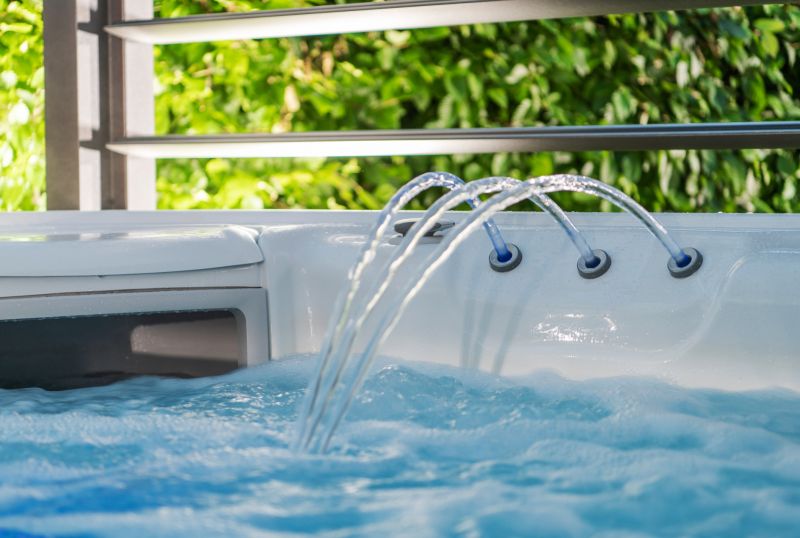 Removing a hot tub can be a complex and labor-intensive process that requires careful planning and the right tools. Whether you're upgrading, relocating, or disposing of an old unit, selecting appropriate products can facilitate a smoother removal experience. Heavy-duty lifting equipment, such as dollies and hand trucks designed for large loads, are essential for moving the hot tub safely and efficiently. Protective gear like gloves and safety glasses help prevent injuries during handling and dismantling.
Top Overall Option
Heavy-Duty Appliance Dolly
A heavy-duty appliance dolly with reinforced wheels and adjustable straps provides a versatile solution for moving large, bulky items like hot tubs. Its sturdy construction helps distribute weight evenly, reducing strain and increasing safety during transport. When used with proper lifting techniques, this tool can simplify the process of relocating or removing a hot tub, especially on smooth surfaces. Its adjustable features make it adaptable to different sizes and shapes, making it a valuable addition to any removal toolkit.
Types of Products For Hot Tub Removals
Heavy-Duty Appliance Dolly
Designed for moving large appliances and heavy objects, these dollies are essential for hot tub removal on flat surfaces.
Hand Trucks and Moving Carts
Ideal for supporting and maneuvering hot tubs with ease, especially in tight spaces.
Lifting Straps and Slings
Provide additional support and leverage for lifting heavy components safely.
Hydraulic Lifting Jacks
Useful for raising parts of the hot tub for easier disassembly or removal.
Power Saws and Demolition Tools
Necessary for cutting through framing, piping, or structural elements during removal.
Pry Bars and Crowbars
Effective for prying apart components and breaking down structures.
Safety Gear
Includes gloves, safety glasses, and steel-toed boots for protection during removal.
Debris Disposal Bags and Containers
Help manage and transport debris efficiently and safely.
Extension Cords and Lighting
Improve visibility and power access in remote or poorly lit areas.
Portable Ventilation Fans
Assist in maintaining airflow and reducing dust during disassembly.
Transport Straps and Tie-Downs
Secure the hot tub and parts during transport to prevent shifting or damage.
Concrete Removal Tools
Hydraulic breakers or jackhammers for breaking through concrete pads or foundations.
Lift Assist Devices
Mechanical aids that help reduce strain when lifting heavy components manually.
Skid Steer Attachments
Specialized attachments for heavy lifting and moving on construction sites.
Wheelbarrows and Carts
For transporting debris and smaller parts during disassembly.
Drain and Disconnection Tools
Tools designed for safely disconnecting plumbing and electrical connections.
Protective Covers and Tarps
Shield surrounding areas and furniture from debris and damage during removal.
Popular Choices
Widely used for moving large appliances and heavy items like hot tubs with minimal effort.
Commonly employed to secure and lift heavy components safely during removal.
Frequently used for cutting through structural elements during disassembly.
Popular tools for prying apart components and breaking down structures.
Standard protective gear to ensure safety during heavy lifting and cutting tasks.
Commonly used for lifting sections of the hot tub or foundation for easier removal.
Popular for managing debris and waste generated during removal.
Frequently used to power tools and lighting in remote work areas.
Popular for illuminating workspaces during disassembly and removal.
Commonly used to secure heavy loads during transportation.
Often employed for breaking down structural components or fixtures.
Regularly used for removing concrete pads or foundations supporting hot tubs.
Helpful for transporting debris and smaller parts around the removal site.
Tools designed for safely disconnecting plumbing and electrical connections.
Commonly used to protect surrounding areas and furniture during removal.
In addition to moving equipment, demolition tools such as pry bars, sledgehammers, and power saws are often necessary for disassembling built-in components or breaking down the structure for easier transport. For stubborn fixtures or concrete foundations, specialized removal products like hydraulic breakers or jackhammers may be required. Proper disposal supplies, including heavy-duty trash bags or containers, ensure that debris is managed responsibly.
Planning the removal process also involves considering the space and access points around the hot tub. Products like extension cords, portable lighting, and ventilation fans can improve visibility and airflow during the operation. It’s important to evaluate the weight and size of the unit, as well as the terrain and access routes, to select products that match the specific removal scenario. Safety and efficiency should always be prioritized to prevent damage to property or injury to personnel.
Key Buying Considerations
- Assess the size and weight of your hot tub to select appropriate lifting and moving equipment.
- Determine the access points and space constraints to choose suitable tools and methods.
- Consider the material and construction of the hot tub for compatibility with demolition tools.
- Evaluate safety features of tools, such as stability and grip, to prevent accidents.
- Plan for debris disposal and choose products that facilitate efficient cleanup.
- Check power source requirements for tools like saws and demolition equipment.
- Ensure protective gear is adequate for the scope of removal work.
- Estimate the total effort and manpower needed to complete the removal safely.
- Account for disconnection of plumbing and electrical systems before removal.
- Consider the terrain and surface conditions where the removal will take place.
- Review local disposal regulations for large appliances and construction debris.
- Prioritize tools that offer versatility for different removal tasks.
- Think about future storage or reuse of parts and equipment after removal.
- Verify that all necessary permits or permissions are obtained if required.
- Select durable, high-quality tools to withstand demanding removal tasks.